The move to digital terrestrial television isn’t simply a chance for set-top box manufacturers to make a quick buck. It presents a unique opportunity to introduce new competition in the broadcasting market where, until now, consumers have had precious little choice.
In terrestrial broadcasting, there are only really two options: the SABC and its smaller rival, commercial free-to-air channel e.tv. Not much to choose from.
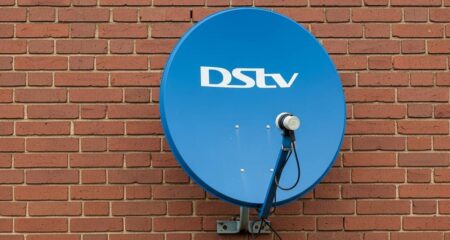
In satellite pay television, MultiChoice-owned DStv reigns supreme. Sure, there’s TopTV, which began broadcasting in May 2010, but it’s made barely a dent, thanks in no small part to its lack of sports rights, which have been aggressively bought up by its much bigger rival.
Before suggesting MultiChoice is a big, evil empire, it’s not. It’s simply a well-oiled and well-run corporate machine defending its turf. And the little competition it has received from TopTV has been good for both it and consumers — it’s doubtful it would have launched the cheaper DStv Compact bouquet, which has propelled its subscriber growth, if the threat of competition hadn’t been looming, even if that competition took longer to materialise than expected.
Companies are meant to be aggressive in their industries and do their best to remain at the top. It’s the role of the regulator, in this case the Independent Communications Authority of SA (Icasa) to create an environment that’s conducive to the sorts of competition that keeps the bigger players in check.
During public hearings held this week by Icasa into draft regulations for digital terrestrial television, the SABC argued strongly that it needed to be protected from competition until the end of the dual-illumination period – during which time it will have to broadcast both analogue and digital signals simultaneously — because of its position as the national broadcaster. It argued that this was necessary to create a strong public broadcaster and that this was in the public’s interest.
That’s claptrap. Consumers shouldn’t be punished to protect the public broadcaster, which is already, for the most part, a commercial operator anyway. Competition is in the public interest because it gives consumers choice and improves the quality of programming offered. Coddling the SABC by keeping competition out is in no one’s interest.
What both SABC and DStv have that competitors cannot easily replicate is brand awareness and existing, large audiences. Securing content aside, these are the biggest battles facing newcomers. The longer SA remains without additional competitors in broadcasting, the more difficult it will be for them to gain a foothold and the more reluctant investors will be to fund them.
Icasa should be doing everything in its powers to finalise the details around digital terrestrial television, decide upon spectrum allocations, and create a regulatory framework that helps — rather than hinders — would-be broadcasters to get off the ground.
Kagiso Media argues that Icasa doesn’t simply need to encourage competition, but also needs to facilitate it with “pro-competitive measures” such as ensuring set-top boxes are interoperable and not tied to a single broadcaster, and allowing new subscription-based services to offer “open windows” where nonsubscribers can view an hour or two of content each day as a taster to encourage them to consider subscribing.
Kagiso has the backing to invest in any number of ventures, but it is understandably wary of investing heavily unless there’s some certainty of generating a return for shareholders. It’s no doubt looked at TopTV’s experience and decided that, without regulatory support, it’s disinclined to play that sort of lengthy — and risky — game itself.
The incumbents’ burden of dual-illumination is unavoidable, but it’s a small price to pay for years of dominance. In fact, it’s the necessary price. Years of being the only game in town means you have to contend with legacy challenges when moving to new technology.
Being a fresh-faced broadcaster may be cheaper, but it’s no picnic either.
SA’s broadcasting landscape is changing. Icasa’s job is to make sure the shift is rapid, efficient and equitable. While it needs to ensure incumbents aren’t made to suffer unduly, it also needs to ensure that new players are able to emerge, creating a more competitive market that provides consumers with greater choice. — (c) 2012 NewsCentral Media
- Craig Wilson is TechCentral deputy editor