Botswana TV move draws fire

The Southern African nation’s decision to adopt the Japanese standard for digital terrestrial television is the wrong one, industry body Sadiba says.

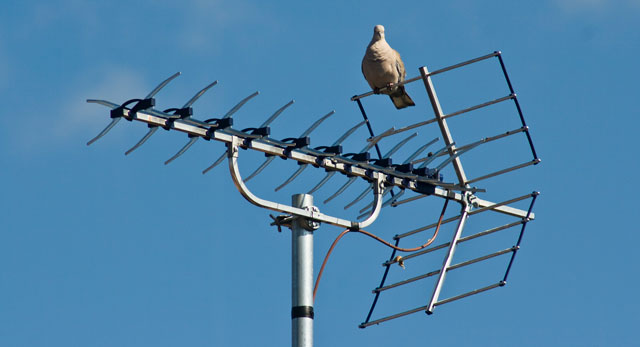
aerial-640

Botswana has adopted the Japanese standard for digital terrestrial television instead of the European standard favoured by many of its neighbours, a newspaper report has said, prompting sharp criticism from an industry body.

According to Botswana’s DailyNews newspaper, that Southern African country’s government has adopted the Integrated Services Digital Broadcasting Terrestrial (ISDB-T) standard for digital broadcasts, rather than the second generation of the Digital Video Broadcasting Terrestrial (DVB-T2) standard adopted by South Africa and most other nations in the region.

South Africa, which had committed itself to the European standard, vacillated a few years ago under intense lobbying by Japan and Brazil. Brazil has adopted a variation of the ISDB-T standard. However, after nine months of debate – and a change in communications minister – the country adopted a newer version of the European standard.

Botswana’s decision to adopt the Japanese technology has now drawn fire from the Southern African Digital Broadcasting Association (Sadiba), an industry forum, which says in a statement that the decision will put Botswana “on the back foot”.

“It burdens citizens with unnecessary costs, reduces the prospect of costs dropping in future, and reduces the benefits possible from the transition to digital,” Sadiba says. “It sets a country up for a wasteful second transition to a newer technology in future.”

The association says “independent research” by Stellenbosch University has shown that DVB-T2 is “far superior” to other digital standards.

“The growing number of commercial deployments of DVB-T2 across Asia, Europe and Africa bear witness to the fact that DVB-T2 is the world’s most advanced terrestrial broadcast standard,” Sadiba says “It undisputedly delivers 50% more capacity than ISDB-T (or DVB-T) and is unrivalled in its flexibility and features by first-generation standards.”

It says that since 2010, Japan has licensed and rolled out additional networks for mobile multimedia reception using a new technology standard called ISDB-Tmm6. “The fact that an additional standard had to be developed and additional networks have been rolled out in Japan to deliver mobile network coverage suggests that media statements on the ability of standard ISDB-T technology to deliver simultaneous fixed and mobile service coverage are inaccurate and misleading.”

Sadiba adds that research conducted in 2010 showed the cost of set-top boxes in 2010 was “significantly more expensive” than similarly equipped boxes using DVB-T technology. “The combined cost of these access devices constitutes the single biggest cost of the digital transition of any nation.”  — (c) 2013 NewsCentral Media

Share this article

  • http://www.facebook.com/profile.php?id=527737873 Vusi Sibiya

    The association says “independent research” by Stellenbosch University has shown that DVB-T2 is “far superior” to other digital standards.

    I’m quite certain that there’s “independent research” from a Japanese University that will show ISDB-T to be “far superior” to other digital standards, so the findings by Stellenbosch University are not a leg to firmly stand on. What is true however, is the fact that the DVB-T2 is the most widely commercialized digital standard and as such the economies of scale would mean more devices at an affordable cost to more people.

    I also prefer the DVB-T2 digital standard because with migration of radio to digital, the DAB/DAB+/DMB digital standards are accommodated which are also the most widely commercialized globally and as such we will have affordable devices from numerous manufacturers readily available.

    It really isn’t a train smash for Botswana to adopt ISDB-T and SADIBA cannot say with certainty that the country is setting itself up for another migration process. ISDB-T has it’s own merits which in certain aspects surpass the DVB-T2 and the ISDB-T digital standard does provide for exceptional integration with connected online platforms for a superior hybrid digital technology experience.

Why TechCentral?

We know that as a prospective advertiser, you are spoilt for choice. Our job is to demonstrate why TechCentral delivers the best return for your advertising spend.

TechCentral is South Africa’s online technology news leader. We don’t say that lightly. We believe we produce the country’s best and most insightful online tech news aimed at industry professionals and those interested in the fast-changing world of technology.

We provide news, reviews and comment, without fear or favour, that is of direct relevance to our fast-expanding audience. Proportionately, we provide the largest local audience of all technology-focused online publishers.

We do not constantly regurgitate press releases to draw in search engine traffic — we believe websites that do so are doing their readers and advertisers a disservice. Nor do we sell “editorial features”, offer advertising “press offices” or rely on online bulletin-board forums of questionable value to advertisers to bolster our traffic.

TechCentral, which is edited and written by award-winning South African journalists, cares about delivering top-quality content to draw in the business and consumer readers that are of most interest to technology advertisers.

We’d like the opportunity to demonstrate the value of directing a portion of your advertising budget to TechCentral, whether your company is in the technology field or not. Numerous opportunities exist for companies interested in reaching our audience of key decision-makers in South Africa’s dynamic information and communications technology sector. We offer packages that will deliver among the best returns on investment available in the online technology news space.

For more information about advertising opportunities, and how your organisation can benefit by publicising itself on TechCentral, please call us on 011-792-0449 during office hours. Or send us an e-mail and ask for our latest rate card and brochure.